
Clean fishing comes down to a simple system: prep your boat before launch, manage your catch properly on the water, and leave the ramp better than you found it. This approach keeps your fishing gear in top shape, your fish fresh, and your fellow anglers happy.
A lot of people think keeping a clean boat takes extra time or effort. The reality is that developing good habits on the water actually saves you time at the end of a long day of fishing. You spend less time scrubbing at home, your equipment lasts longer, and you’re not the guy holding up the line at the boat launch while everyone waits.
For serious anglers who fish multiple water bodies throughout the season, clean fishing practices also protect the waterways you love. Everything from your reel and fishing line to your livewells can carry organic material and microscopic organisms between lakes, rivers, and bays. Taking a few extra minutes to clean and dry your gear isn’t just about keeping things tidy. It’s about making sure that honey hole stays productive for years to come.
Why Clean Fishing Matters
Your fishing boat takes a beating. Salt water corrodes hardware. Fresh water leaves mineral deposits. Fish slime and bait residue build up in livewells and storage compartments. Without regular attention, that crud shortens the life of your equipment and creates problems you’ll pay to fix later.
The stainless steel hardware on a Blazer Bay Boat is built to handle tough saltwater environments, but even the best materials need proper care. Rinsing your boat with tap water after every fishing trip removes salt crystals before they can do damage.
Beyond your own gear, clean fishing protects the water body you’re fishing. Aquatic nuisance species and invasive species can hitch a ride on your boat, trailer, and fishing equipment. Moving between different waters without proper cleaning spreads these problems to new locations.
Before You Launch
The best clean fishing system starts before your boat ever hits the water.
Gear Organization
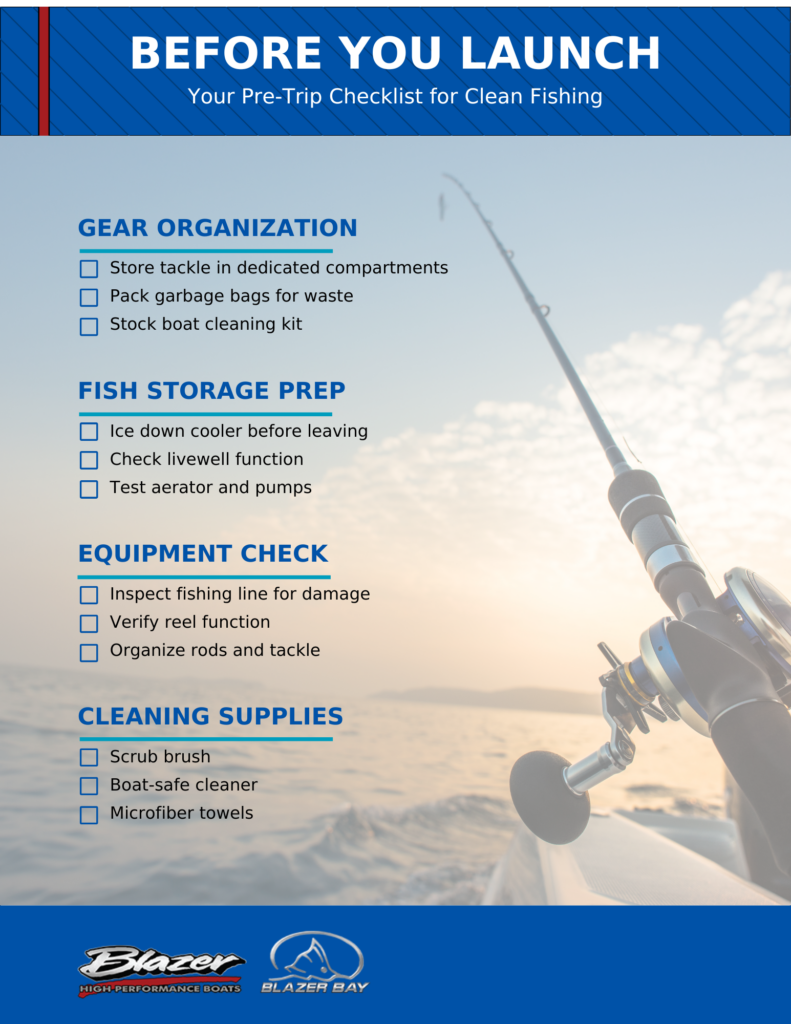
Pack your fishing equipment in a way that keeps things contained. Store your spinning reel and tackle in dedicated compartments. Bring a garbage bag or two for trash and fish waste. Stock a small cleaning kit that lives on your boat including a scrub brush, a boat-safe cleaner, and microfiber towels.
Fish Storage Preparation
Ice down your cooler before you leave. Keeping fish cold from the moment they come out of the water maintains quality and reduces bacterial growth. If you’re keeping fish alive, check your livewell function before launch. The livewell systems on Blazer Bass Boats feature aerator outlets positioned to create proper water circulation rather than spraying directly down on fish.
On the Water
Smart habits while fishing prevent big cleaning jobs later.
Handling Your Catch
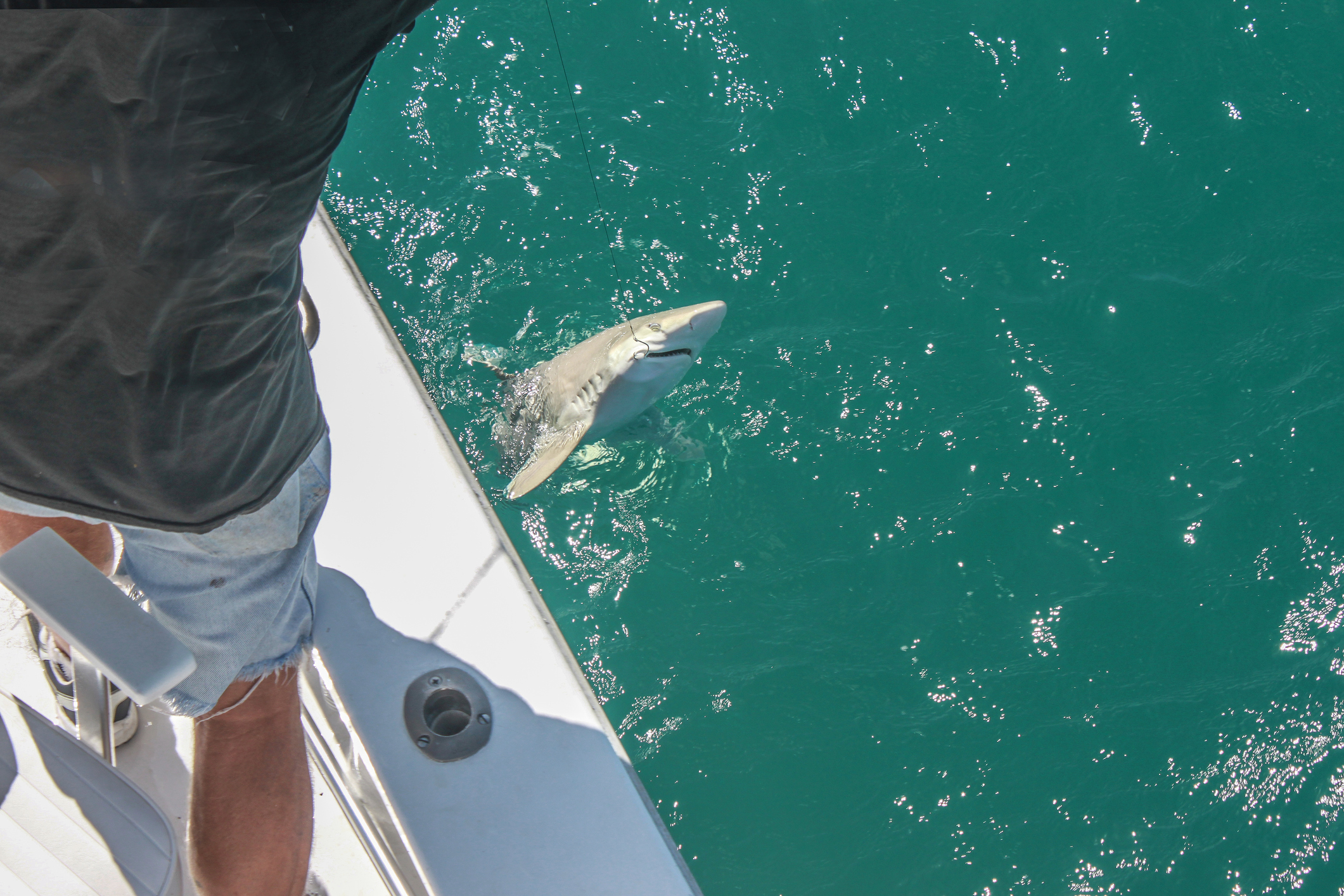
When you land a fish, handle it with wet hands to protect the slime coat. For anglers keeping fish, know when you can clean fish based on local regulations. Some states require fish to remain whole until you reach your final destination.
If you clean fish on the water, manage the waste properly. Fish guts attract flies and create odor fast in warm water. Store waste in a sealed plastic bag until you can dispose of it properly on shore.
Keeping Surfaces Clean
Wipe down blood and slime as you go. A quick rinse with clean water prevents staining on gel coat. Scales and slime make surfaces slippery, creating safety issues when you’re moving around the boat.
The Boat Ramp
Loading Out Efficiently
Prep your boat for retrieval before you get to the ramp. Stow loose gear, secure your fishing rod collection, and have tie-downs ready. Once loaded, pull forward immediately and find a parking spot away from the ramp to secure everything.
Clean, Drain, Dry
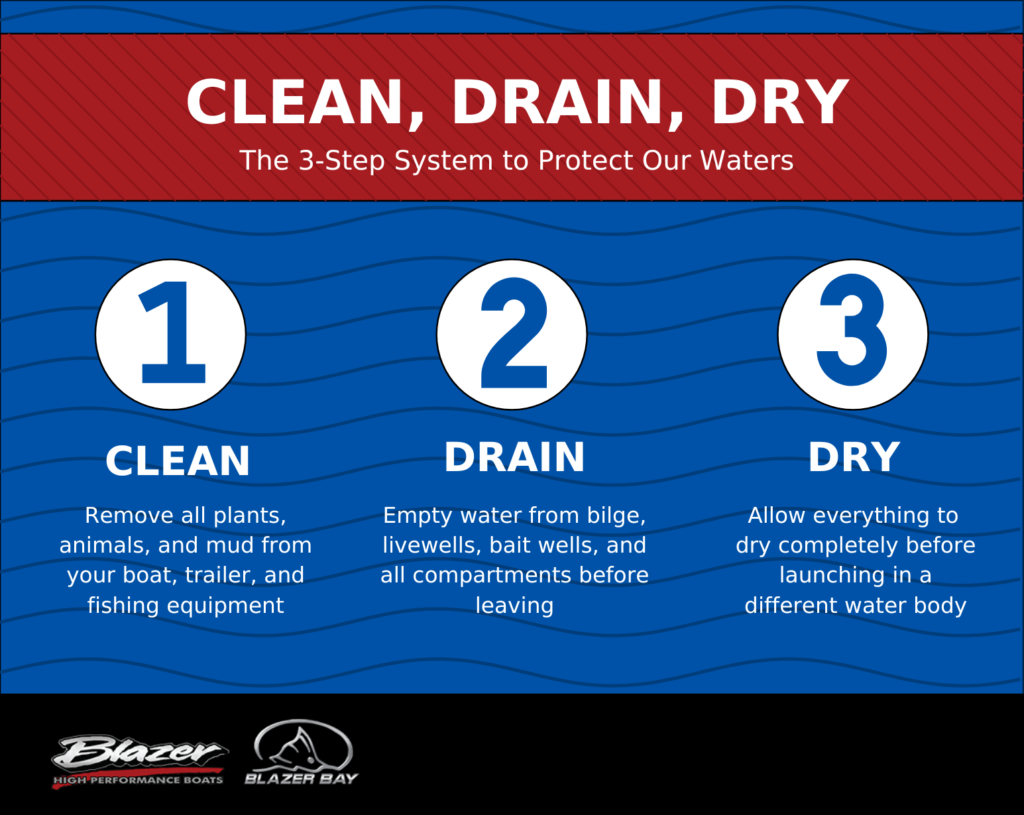
Before leaving any water body, follow the clean, drain, dry protocol that protects against invasive species:
- Inspect your boat hull, trailer, and equipment for visible plants and mud
- Remove anything you find before leaving
- Drain all water from your bilge, livewells, and compartments
- Allow everything to dry completely before launching elsewhere
Many boat launches now have wash stations with high-pressure water available.
Fish Cleaning Station Etiquette
Public fish cleaning stations come with unwritten rules. Don’t park directly in front of the station while you work. Carry your catch to the station in a cooler, leaving the ramp clear for others.
Work efficiently. Fillet your fish, bag your meat, and move on. Clean up completely: rinse scales and blood into proper disposal areas. Never dump fish waste into the water or onto the ground.
Back Home
Rinsing and Washing
Give your boat a thorough freshwater rinse. Flush your outboard and run clean water through livewells. For the hull, a mild boat soap and soft brush remove most residue. Rinse your fishing reel with tap water and allow it to dry before storage.
Equipment Care
Inspect your fishing line for nicks and abrasion. Check the cork handle on your fishing rod for embedded dirt. Inspect reel seats for corrosion and apply light lubricant to moving parts.
Store everything properly. Leave compartments open to air out, and don’t store damp gear in enclosed spaces.
Blazer Boats: Built for Anglers Who Take Pride in Their Gear
Serious anglers know that how you maintain your equipment reflects how you approach the sport. Blazer Boats are designed for fishermen who demand performance and take pride in keeping their gear in top condition. From our composite construction that stands up to years of hard use to our premium standard features that make maintenance straightforward, every Blazer is built to perform trip after trip.When you’re ready to experience the Blazer difference for yourself, visit your local Blazer dealer to see our complete lineup of bay boats and bass boats. Our team can help you find the perfect boat for your fishing style.