
If your weekends swing between stalking redfish on a skinny flat and running a few miles offshore when the weather lays down, the center console vs bay boat question gets real fast. This is not a small difference in layout or branding. It is a decision that affects draft, ride, casting room, passenger comfort, storage, fuel burn, and how often you use the boat the way you pictured when you bought it.
For serious anglers and boating families on the Gulf Coast and beyond, the right answer usually comes down to where your time is actually spent, not where you might go twice a year. Both platforms can fish hard. Both can carry a crew. But they are built with different priorities, and those priorities show up the minute you leave the dock.
Center Console vs Bay Boat: The Core Difference
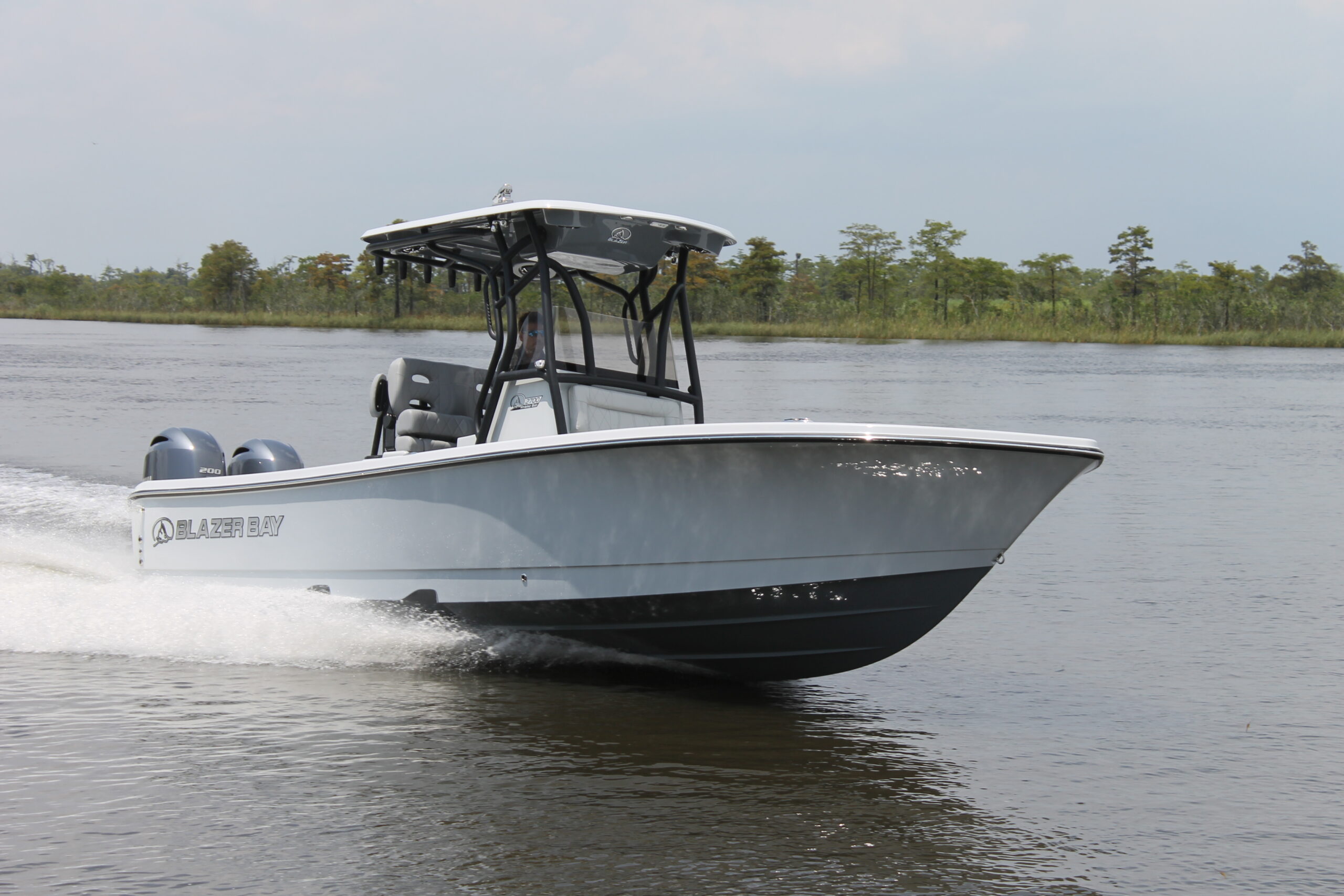
A center console is generally designed for broader range and bigger water. It usually carries more freeboard, a deeper-V hull, more fuel capacity, and a layout that can handle rougher conditions with more confidence. That makes it a strong choice for offshore runs, nearshore structure, and all-purpose boating where fishing is only part of the day.
A bay boat is built to own the inshore game while still stretching into nearshore water when conditions allow. It typically runs shallower, offers larger forward and aft casting decks, and delivers a faster, more efficient ride across bays, back lakes, marsh edges, and coastal waterways. It is a fishing-first platform, but the best ones also bring family comfort, premium seating, and the kind of versatility that keeps the boat in use beyond tournament day.
That distinction matters because a boat that is merely capable in your primary environment is usually the wrong boat. You want a hull that feels at home there.
Where a Bay Boat Pulls Ahead
If your target species live inshore, a bay boat usually gives you more of what matters. The lower draft helps you access shallower water without giving up the ability to cross open bays. Wide, elevated casting decks create a cleaner fishing workspace. Rod storage, livewells, trolling motor setups, and fishability are not afterthoughts. They are the point.
That is why bay boats have become the go-to choice for anglers who want one boat that can chase trout at daylight, sight-fish redfish by lunch, and still take the family for a cruise in the afternoon. You are not sacrificing comfort to get that fishability either. Modern bay boats can be rigged with lounge seating, upgraded leaning posts, premium upholstery, and enough storage to keep a full day on the water organized instead of chaotic.
Performance is another major factor. A well-designed bay boat can be quick out of the hole, efficient at cruise, and flat-out impressive at the top end. For experienced buyers, that speed is not about bragging rights alone. It means covering more water, beating weather back to the ramp, and getting to your first spot ahead of the crowd.
Where a Center Console Earns Its Keep
A center console starts making more sense when your boating life leans harder offshore or when rough-water confidence outranks shallow-water access. More freeboard can make passengers feel more secure, especially with kids on board or in rolling seas. The deeper hull entry often softens the ride in bigger chop, and the added cockpit depth changes the feel of the boat when conditions turn less forgiving.
It is also a strong fit for owners who split time between fishing, cruising, sandbar trips, and entertaining. Many center consoles are designed as broad-use platforms first and fishing machines second. They may still offer serious rod capacity and livewell systems, but they often dedicate more real estate to seating, head compartments, and all-day comfort features.
If your version of boating includes regular offshore bottom fishing, long runs to blue water, or carrying a larger mixed-use crew, a center console may line up better with that mission. The trade-off is that once you slide back into truly shallow water, the extra draft and hull profile can start working against you.
Hull Design Changes Everything
When buyers compare center console vs bay boat, they often focus on the deck layout first. The hull matters more.
Bay boats usually run a hybrid design that balances shallow draft with enough bite and hull shape to stay composed in open water. The best ones do not pound through a bay chop like a stripped-down flats skiff, and they do not feel oversized or inefficient in backwater creeks. That middle ground is exactly why they appeal to anglers who need range without giving up access.
Center consoles, especially offshore-oriented models, are typically built around a deeper-V hull. That shape can deliver a smoother ride in rough water, but it usually demands more draft and more horsepower to achieve the same shallow-water flexibility and efficiency a bay boat offers naturally.
This is where honest self-assessment matters. If 80 percent of your season happens inshore, buying too much offshore boat can leave you with a platform that feels large, thirsty, and less precise where you fish most. On the other hand, if your runs routinely put you in heavy chop and deeper coastal water, a bay boat may be asking one hull to do a little too much.
Fishing Layout and Deck Space
Anglers feel the difference immediately.
Bay boats are purpose-built for active casting. The raised front deck gives you a strong line of sight for spotting fish and more room to work artificial lures or live bait. The rear deck supports multiple fishing positions without crowding the cockpit, and storage is usually set up to keep tackle, rods, cast nets, and safety gear exactly where you need them.
A center console can still fish hard, especially around wrecks, reefs, and live-bait setups. But many models split deck space differently. You may get more walkaround room and deeper cockpit security, but less elevated casting surface and less of that wide-open inshore fishing layout that bay boat owners expect.
For tournament-minded inshore anglers, that deck configuration is not cosmetic. It affects efficiency, mobility, and how cleanly two or three people can fish at once.
Family Comfort Is Not a Tiebreaker Anymore
There was a time when buyers had to choose between a hardcore fishing layout and a family-friendly boat. That line has blurred.
Today’s premium bay boats can carry real comfort. Forward seating, fold-down backrests, plush cushions, Bluetooth audio, premium leaning posts, and smart storage all make a difference when the rods are put away. For many families, that means one high-performance platform can handle serious fishing at sunrise and a sunset cruise without feeling like a compromise.
Center consoles still tend to offer more social seating in many configurations, and some provide features a bay boat may not, like enclosed head space or larger offshore-focused amenities. But if your family boating happens mostly inshore, on protected bays, or on fair-weather coastal runs, a well-equipped bay boat may cover far more ground than old assumptions suggest.
Cost, Fuel, and Ownership Reality
The wrong boat costs more than the sticker price.
Center consoles often bring higher purchase prices as size increases, along with bigger engines, greater fuel demands, and potentially more maintenance tied to offshore use. If you truly need that capability, it is money well spent. If you do not, it can become an expensive way to own unused capacity.
Bay boats can deliver an impressive blend of speed, fishability, and comfort with less overall size and weight. That can mean easier trailering, lower storage costs, and better fuel efficiency depending on setup. For buyers who want maximum versatility without stepping into a larger offshore platform, that ownership equation is hard to ignore.
Customization also matters. The ability to build the boat around your fishing style, passenger needs, electronics package, and seating priorities can shift the value conversation in a big way. A boat that fits your use from day one simply performs better over the long haul.
Which One Should You Buy?
If your season is built around inshore fishing, shallow-water access, fast runs across open bays, and a layout that supports both hardcore angling and family use, a bay boat is usually the smarter buy. It is the more focused tool, and for many coastal owners it is the better all-around platform.
If you regularly run offshore, prioritize rough-water ride over shallow draft, or want a boat with more emphasis on deep cockpit security and broad recreational use, a center console may be the better fit.
For a lot of buyers, the real answer is simple. Buy for the water you fish most, not the water you daydream about. That is why so many experienced Gulf Coast anglers end up in a high-performance bay boat. It hits the sweet spot – shallow enough to hunt skinny water, strong enough to handle open bays, and versatile enough to keep the whole crew coming back. Brands like Blazer Boats have built their reputation on that exact formula.
The best boat is not the one that promises everything. It is the one that feels right every time you fire it up, push off the dock, and point the bow toward the kind of water you actually love to fish.