
You feel it fast when a bay boat is the wrong size. Too small, and every chop reminds you that hull length matters. Too big, and you may be paying for draft, storage, and fuel burn you do not actually need. If you are asking what size bay boat makes the most sense, the real answer comes down to how you fish, who rides with you, and how often you run beyond protected water.
Bay boats live in the middle ground for a reason. They are built to fish skinny water, handle open bays with confidence, and still give you enough freeboard, seating, and range to stretch into nearshore runs when conditions cooperate. That versatility is exactly why size matters so much. A bay boat is not just a number on a spec sheet. It is the difference between a quick, shallow, tournament-style setup and a bigger platform that can carry the family, the gear, and the horsepower to cover water fast.
What size bay boat should you buy?
For most buyers, the sweet spot falls between 20 and 24 feet. That range gives you the best balance of shallow-water capability, deck space, ride quality, storage, and family comfort. But that does not mean every angler should buy the biggest hull he can afford.
An 18- to 19-foot bay boat is nimble, easy to tow, easier to store, and often ideal for solo anglers or two-man crews fishing protected bays, back lakes, and marsh systems. A 20- to 22-foot model is where many serious inshore fishermen land because it blends fishability with a stronger ride in open water. Once you move into the 23- to 24-foot class, you are getting a more commanding platform with more beam, more seating, more fuel, and more confidence when the weather turns less friendly.
The right size is less about ego and more about your real use case. If your typical day means redfish on the flats at first light, trout in the bay by midmorning, and a sandbar stop with the family after lunch, size should support all three without compromise.
How bay boat size changes performance
Length changes more than cockpit room. It affects ride, draft, speed potential, storage, passenger comfort, and where you are willing to run.
18- to 19-foot bay boats
This size class is quick, efficient, and highly fishable. It is a strong fit for anglers who spend most of their time in tighter water where maneuverability matters more than offshore confidence. These boats are also easier on the truck, easier at the ramp, and easier to fit at home.
The trade-off is simple. In rougher bays, a shorter hull gives up some comfort. You may still get impressive performance, but you will feel the difference when boat traffic stacks up or the afternoon wind starts working against the tide. Passenger space is also tighter, especially if you are trying to carry a full crew and fish seriously.
20- to 22-foot bay boats
This is the heart of the category. For many owners, it is the best answer to what size bay boat makes sense long term. You get a meaningful step up in ride quality, deck space, storage, and seating without giving up the shallow-water attitude that makes bay boats so effective.
A well-built hull in this range can fish hard inshore, run open bays with authority, and comfortably handle nearshore duty in the right conditions. It is also the zone where performance-minded buyers start to get the best mix of horsepower and usable layout. You have room for larger livewells, more tackle, better rod storage, and enough cockpit flexibility to shift from tournament morning to family afternoon.
23- to 24-foot bay boats
This is where bay boats start to feel big, serious, and extremely capable. If you regularly run larger water, fish with three or four adults, or want more confidence nearshore, this size earns its place fast. The ride is typically better, the bow feels more planted, and the boat carries weight with less drama.
That extra size comes with real benefits, but it also changes the ownership experience. Expect more storage space required at home, a heavier tow, and a bigger financial commitment. Draft can increase depending on hull design and load. If most of your fishing happens in protected shallows, you need to be honest about whether you will use the extra boat often enough to justify it.
What size bay boat fits your fishing style?
The fastest way to narrow it down is to look at where your hours actually go.
If you fish shallow marshes, creeks, and protected bays most of the year, a smaller bay boat can be the sharper tool. It gets skinny, responds fast, and keeps the package simple. If your fishing includes long runs across wind-blown bays, then extra length pays you back in a smoother, drier ride and less fatigue by the end of the day.
If tournament fishing is part of the plan, deck layout matters as much as length. You want enough front deck to fish aggressively, enough storage to stay organized, and enough hull to keep your run efficient when conditions are not ideal. In that case, the 20- to 22-foot class often hits the mark.
If your weekends mix fishing with cruising, tubing, sandbar stops, and family use, bigger usually feels better. More length and beam create a more stable platform, more comfortable seating, and more forgiveness for passengers who are not there just to chase the next bite.
The crew matters more than most buyers think
A boat that feels perfect with two anglers can feel cramped with four adults and a full load of gear. That is especially true on bay boats, where every square foot gets used by rods, coolers, tackle, cast nets, and passengers.
If you usually fish alone or with one partner, you can stay smaller without making a painful compromise. If you bring kids, friends, or clients, move up in size sooner rather than later. The extra room improves safety, comfort, and fishability. Nobody likes stepping around each other all day, and nobody wants to take a beating in rough water because the boat was chosen for the occasional solo trip instead of the average crew.
Storage, horsepower, and range all follow size
As hull size increases, so does your ability to carry what serious fishing days demand. Larger bay boats typically have more rod storage, larger fish boxes, bigger livewells, and more room for batteries, electronics, trolling motor systems, and safety gear. That matters if you fish hard and rig heavy.
Horsepower is another major factor. Bigger bay boats can carry larger outboards and turn that into stronger top-end speed, better hole shot under load, and more confidence when you need to outrun weather or cover distance. Performance-minded owners understand this immediately. A boat with the right hull and power package does more than run fast. It runs clean, lifts right, and keeps the ride composed.
Range improves too, since larger models often carry more fuel. That opens the door to longer bay runs and nearshore flexibility. But bigger fuel tanks and more horsepower also mean higher operating costs. That is not a reason to avoid a larger boat. It is just part of choosing honestly.
The most common mistake when choosing bay boat size
A lot of buyers shop for their smallest day instead of their real-world day. They picture slipping into a calm back bay with one rod and one buddy. Then six months later they are loaded with a family crew, extra gear, a full cooler, and a choppy run they did not plan on.
The better approach is to choose for your most common conditions and your second-most demanding conditions. If you regularly fish open bays in afternoon wind, size up. If nearshore runs are part of the plan, size up. If family comfort matters and you want lounge seating, room to move, and a smoother ride, size up.
On the other hand, if shallow access, garage fit, towing ease, and simplicity drive the decision, do not overspend on hull you will rarely use. The best bay boat is not the largest one. It is the one built for the water you fish and the way you actually live with it.
So, what size bay boat is best?
For many serious anglers and boating families, 21 to 24 feet is the high-value zone. It gives you enough hull for rougher water, enough room for real fishing utility, and enough comfort to keep the day enjoyable for everyone on board. That is why this segment continues to define the modern bay boat market.
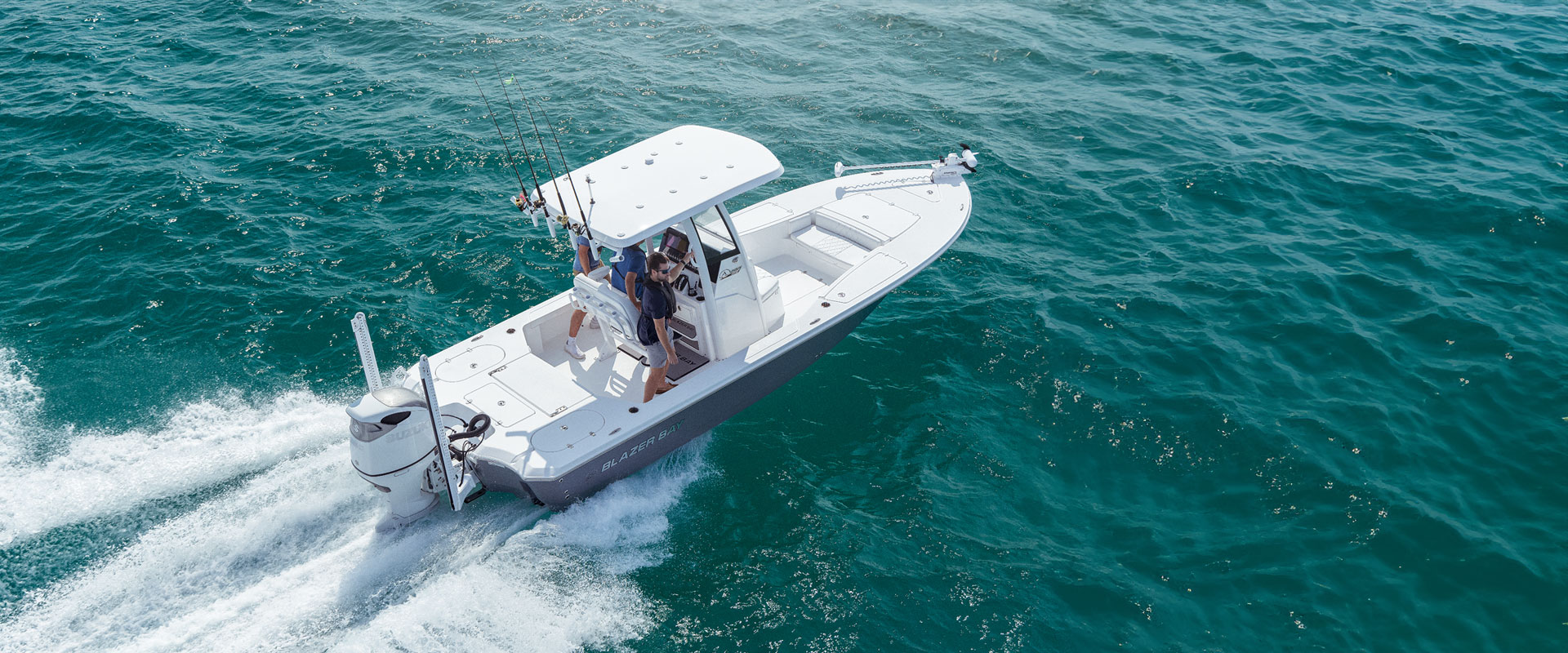
Still, the best size depends on your priorities. If shallow performance and easy ownership lead the list, stay compact. If versatility, family comfort, and bigger-water confidence matter more, move up. Brands like Blazer Boats have built their reputation around that exact balance – high-performance bay boats that fish hard, ride right, and still know how to carry a family in comfort.
Choose the size that matches your water, not your wish list, and you will enjoy the boat a lot more every time it leaves the trailer.