
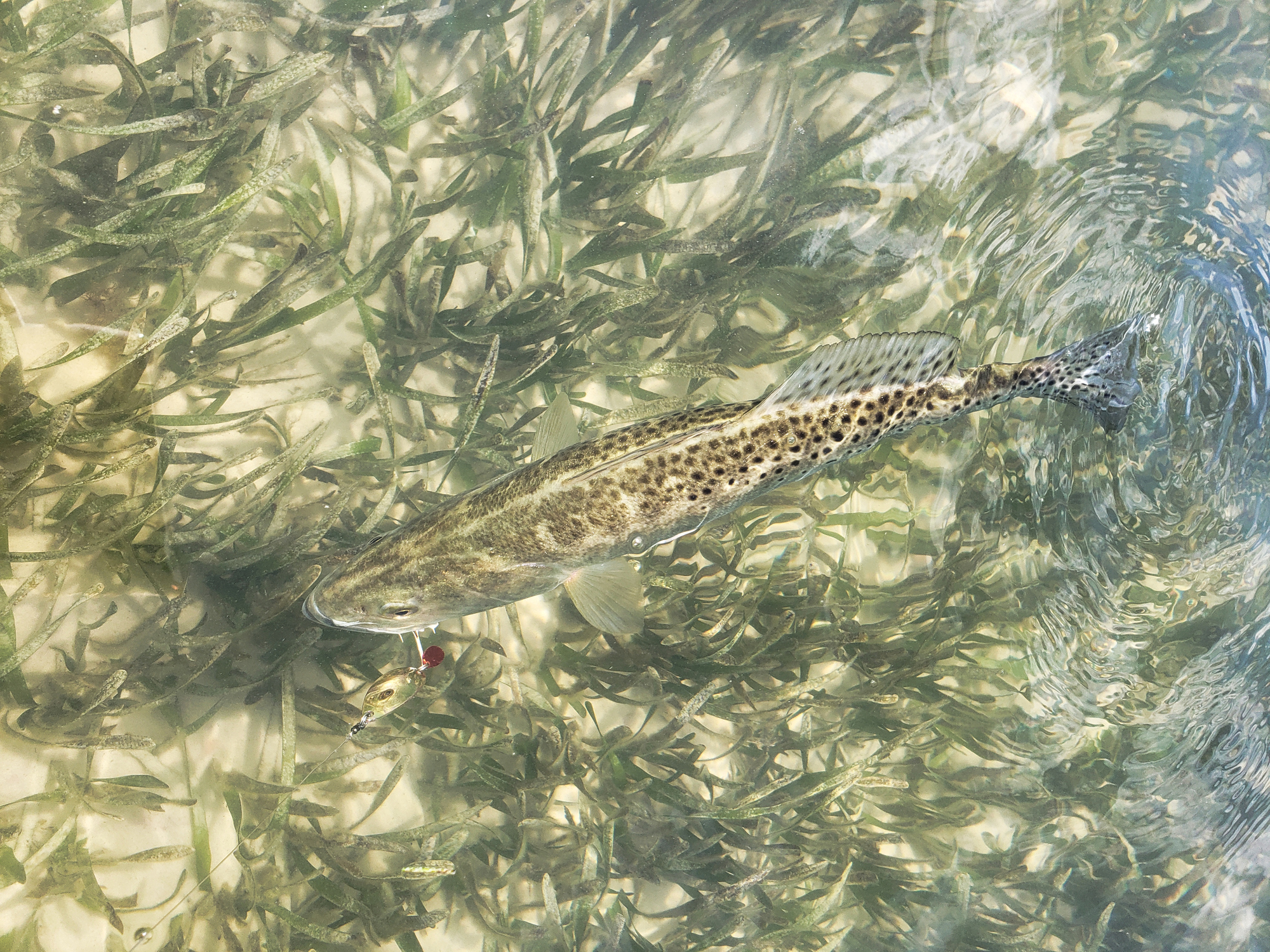
Speckled trout rank among the most sought-after gamefish along the Gulf Coast and Atlantic seaboard. These aggressive feeders provide explosive strikes and hard fights, making them a favorite target for anglers from Texas to the Carolinas. Whether you’re after a trophy speck or filling the cooler for a fish fry, knowing where to find spotted sea trout can make the difference between a slow day and a memorable trip.
Prime Speckled Trout Habitats
Grass Flats
Grass flats produce more trout than almost any other habitat along the coast. These shallow expanses of turtle grass and other vegetation hold massive schools of bait fish, which naturally attract hungry trout. Look for flats in 2-6 feet of water with good water clarity and active current flow.
Key tactics for grass flats:
- Work soft-plastic lures on a 1/4-ounce jig head through potholes and edges
- Fish a popping cork with live shrimp suspended 2-3 feet below the surface
- Target early morning hours when trout move onto the flats to feed
- Focus on slightly deeper water during low tide periods
Oyster Beds and Shell Banks
Oyster beds create perfect ambush points for speckled trout. The structure breaks current, provides shade, and attracts crabs, shrimp, and small fish. Any oyster bed with moving water deserves your attention.
Fish the up-current side where trout wait for food to wash past. During cold weather, look for deeper oyster bars in 6-10 feet of water where trout seek more stable temperatures. A Carolina rig with live bait works exceptionally well around these structures, keeping your offering in the strike zone while avoiding snags.
Barrier Islands and Passes
The beaches and passes near barrier islands offer excellent locations for big trout, particularly during spring and fall. Trout cruise these areas chasing finger mullet and other bait schools that move with the tides.
Top barrier island spots:
- Deep channels adjacent to shallow sand bars
- Current rips where water accelerates through passes
- Deep holes on the back side of islands
- Points where tide flows around the island
Topwater lures shine in these locations during early morning and late evening. A surface plug worked slowly across a current rip can trigger violent strikes from quality fish.
Deeper Water Channels and Drop-Offs
When water temperature drops below 60 degrees or climbs above 80, trout often move to deeper water seeking comfort. Ship channels, navigation markers, and natural ledges in 10-20 feet become productive spots.
Fish the edges where shallow flats drop into deep water. Trout hold at these transitions, moving up to feed on the flats then dropping back to deeper water. Soft plastics worked vertically along the drop-off or suspended under a popping cork in the water column both produce results.

Timing Your Trout Trips
Seasonal Patterns
Spring (March-May): Trout spawn during this period, concentrating near passes and deeper grass beds. Big trout become more accessible as they move shallow to spawn. Target full moon phases when spawning activity peaks.
Summer (June-August): Early morning fishing produces best, with trout feeding aggressively before air temperature climbs. Focus on areas with good current flow and slightly deeper water. Trout often hold near structures that provide shade.
Fall (September-November): Prime time for trophy speck fishing. Cooling water temperatures trigger aggressive feeding as trout fatten up before winter. Big schools roam grass flats and oyster bars throughout the day.
Winter (December-February): Cold weather pushes trout to deeper channels and warm-water discharges. Fish midday when water temp rises slightly. Deep holes near grass beds hold concentrations of fish.
Tidal Considerations
Moving water triggers feeding behavior in speckled trout. The first two hours of incoming tide and the last two hours of outgoing tide typically produce the most strikes. At low tide, focus on deeper channels and holes where trout stack up waiting for water to rise. Check NOAA tide predictions for your area to plan your trips around optimal tidal movement.

Proven Techniques and Tackle
Live Bait Approaches
Live shrimp remains the most consistent producer for sea trout. Rig shrimp under a popping cork and work it across grass flats or near structures. The popping sound attracts trout from a distance while the suspended shrimp looks natural.
For bigger fish, try live finger mullet or pigfish. Free-line them near oyster beds or use a Carolina rig to get them down in deeper water. Keep your rod tip high and watch for subtle taps before the fish loads up.
Artificial Lure Selection
Soft-plastic lures in natural colors match the bait profile trout see daily. Paddle tails in 3-4 inches work well on grass flats, while curly-tail grubs excel around structures. When fish are aggressive, topwater lures at first light can produce explosive surface strikes.
A treble hook on topwater plugs helps convert those exciting blow-ups into hooked fish. For windy conditions or when trout are deeper in the water column, switch to a jig head with soft plastics to maintain better contact.
Regional Hotspots
The best place to catch speckled trout varies by region, but certain areas consistently produce quality fishing:
Gulf Coast: Louisiana’s marshes and Texas’s Lower Laguna Madre offer world-class speck fishing. The grass beds and shell reefs throughout these bays hold tremendous numbers of trout.
Florida: The Big Bend region from Apalachicola to Tampa Bay provides expansive grass flats. The Indian River Lagoon on the Atlantic coast offers excellent year-round opportunities. Understanding local regulations and size limits helps you stay compliant while targeting these popular gamefish.
Atlantic Coast: North Carolina’s Pamlico Sound and South Carolina’s coastal rivers produce big fish, particularly in fall. Georgia’s coastal marshes hold strong populations near oyster beds and creek mouths.
Mountain streams obviously don’t factor into speckled trout fishing, as these are strictly coastal saltwater fish related to the drum family, including red drum. Any mention of trout in freshwater refers to a completely different species.
Getting to the Best Spots First
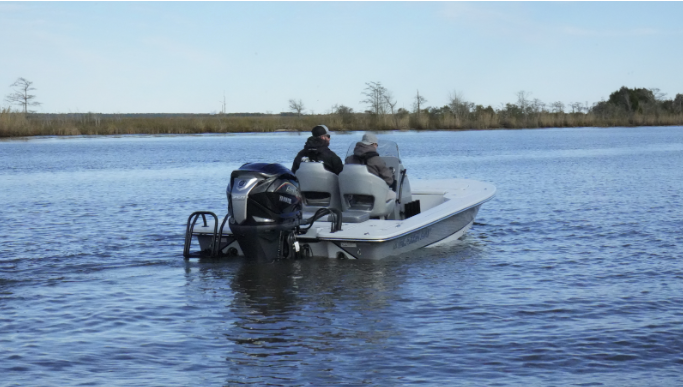
Finding productive water matters, but reaching it quickly gives you the first crack at actively feeding fish. We build Blazer bay boats specifically for anglers who want to beat the crowd to prime locations. Our boats combine the shallow-water capability to access skinny grass flats with the deep-V hull design to handle rougher water near passes and barrier islands.
Hand-built in Pensacola, Florida, each Blazer bay boat features 100% composite construction that stands up to the demanding saltwater environment where speckled trout live. Tournament anglers across the Gulf Coast trust our boats because performance comes first in every design decision we make. When you need to run 30 miles to an excellent location before sunrise, you want a boat that gets you there safely and quickly.
Since 1978, we’ve listened to serious anglers describe what they need in a fishing platform. That’s why our bay boats come standard with features other manufacturers charge extra for: superior livewell systems that keep your catch healthy and the storage capacity for all the gear required for different techniques and conditions.
Ready to explore the best speckled trout water along your coast? Find a Blazer dealer near you and see why anglers who demand performance choose our boats. Visit our lineup of bay boats designed specifically for the shallow flats and deeper channels where big trout live.