
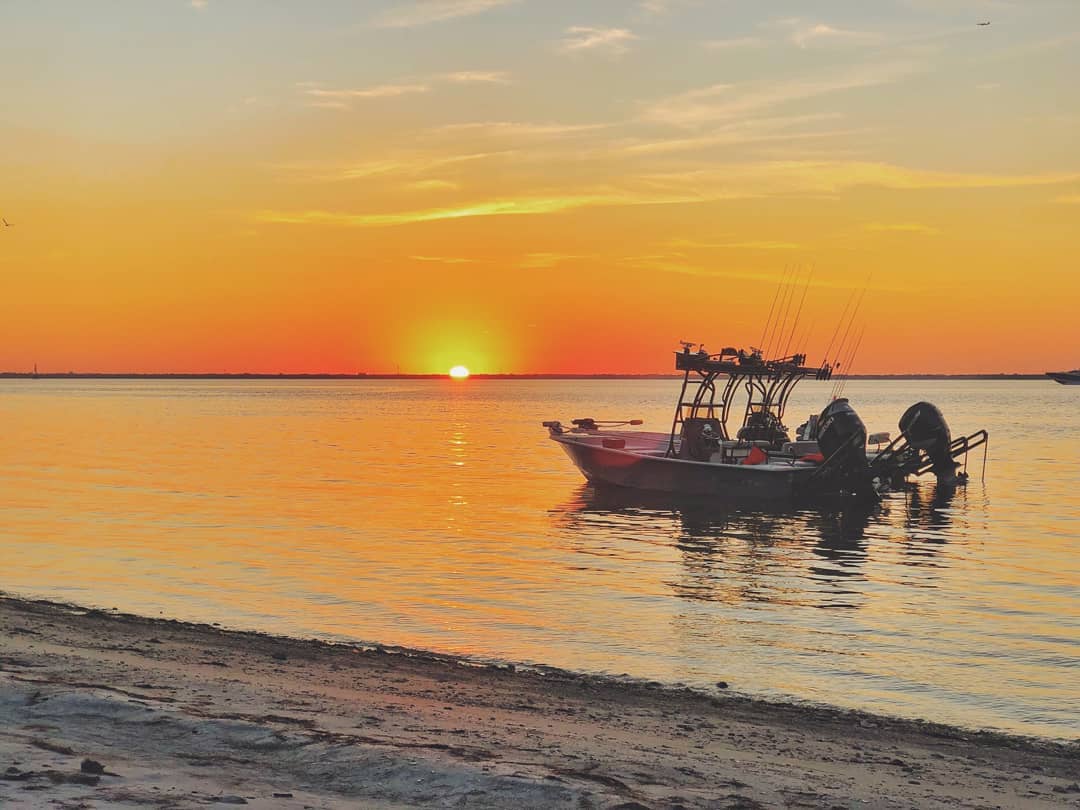
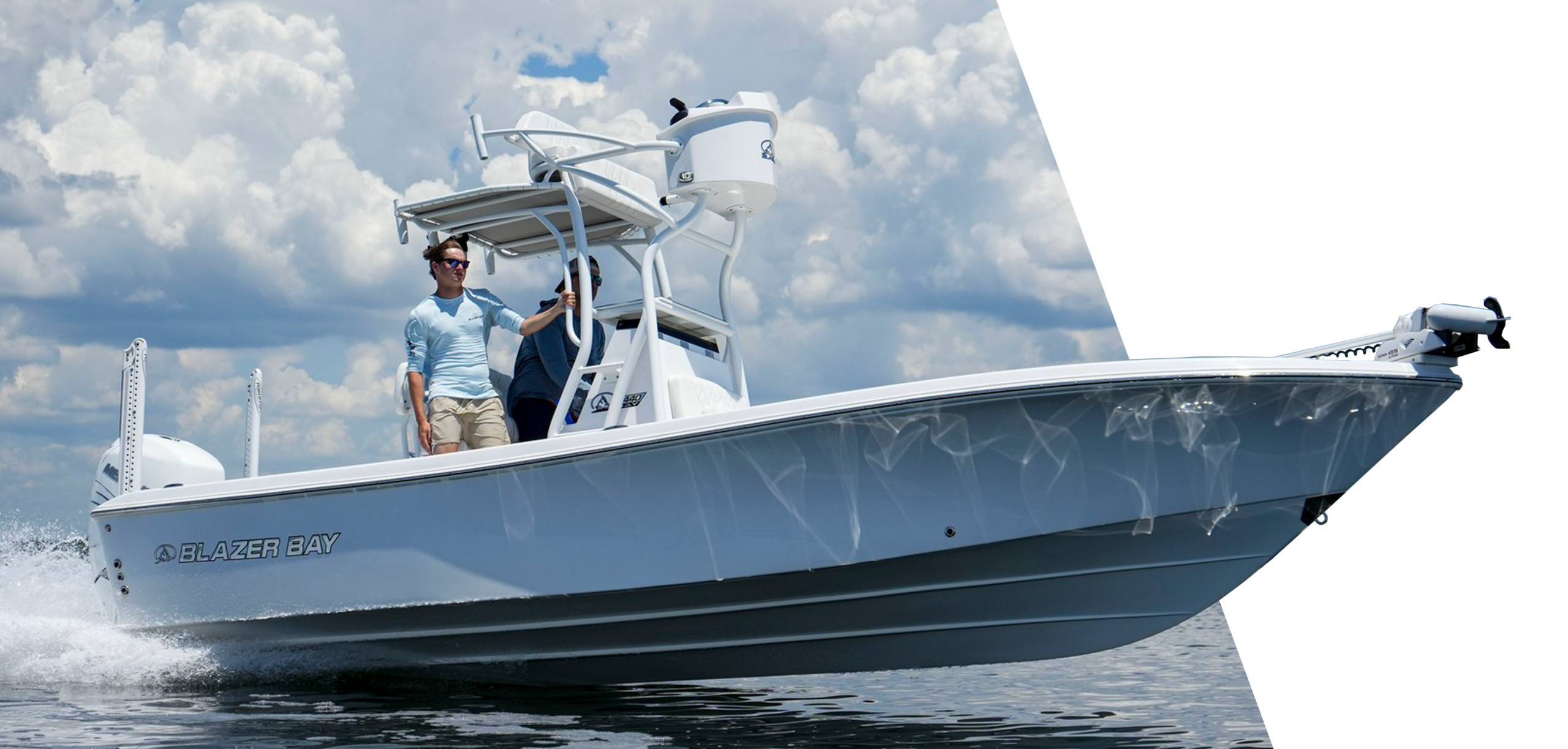
Saturday starts with topwater at daylight and usually ends with kids jumping off the swim ladder before lunch. That is exactly why demand for a bay boat with family seating keeps growing. Serious boaters are not looking for a watered-down fishing rig. They want a layout that can run skinny, handle open chop, carry real fishing hardware, and still give spouses, kids, and guests a comfortable place to ride.
That combination is harder to get right than it sounds. Add too much seating, and the boat loses deck space, storage, and fishability. Go too far toward tournament layout, and the family checks out after the first rough ride or long run with nowhere comfortable to sit. The sweet spot is a bay boat that stays aggressive where it counts and smart where it matters.
What a bay boat with family seating really needs
A true family-friendly bay boat is not just a fishing platform with a couple of cushions snapped on. It has to be designed from the hull up to do two jobs well. First, it needs the core performance traits bay boat owners expect – quick hole shot, confident top-end speed, shallow-water capability, a dry ride, and the deck layout to fish multiple anglers without getting in each other’s way.
Second, it needs seating that works when the rods are put away. That means more than a leaning post and a bow pad. Families need secure back support, usable passenger positions while running, easy boarding, practical storage for day gear, and a setup that does not make every casual outing feel like a compromise.
This is where the best boats separate themselves. They are not trying to be deck boats. They are still bay boats first. But they are laid out with enough flexibility that a hardcore fishing morning can turn into an afternoon cruise without feeling like two different boats are fighting each other.
Where family seating belongs on a bay boat
The best bay boat with family seating usually spreads comfort across the boat instead of stacking it in one spot. Bow seating matters because that area often becomes the social zone when the trolling motor is off and the rods are stowed. Forward lounge backrests, removable cushions, and wide, stable deck space give families room to relax without permanently giving up fishable square footage.
Aft seating matters just as much. Fold-down jump seats at the transom are one of the smartest features in this category because they disappear when it is time to fish and show up when it is time to cruise. That kind of dual-purpose design is what buyers should be looking for. Permanent seating everywhere sounds great in the showroom, but on the water it can eat into access, storage, and casting room.
The leaning post also pulls more weight than people think. On a serious bay boat, it needs to support the driver and passenger during a rough run, but it can also add rear-facing seating, integrated storage, tackle access, and even cooler space. When this area is designed well, it becomes one of the most used zones on the boat all day.
Comfort matters, but safety matters more
Not all seating is equal once the boat is on plane. Families need secure seating positions with support, not just places to perch at rest. This is especially important for younger passengers and older riders who may not want to brace themselves every time the wind picks up.
Look closely at seat height, backrest angle, grab handle placement, and how exposed each seat feels underway. A beautiful bow cushion setup may look great at the dock, but if it is not intended for use while running, it should not be treated like a primary passenger position. The strongest layouts make it obvious where passengers belong at speed and where they can spread out once the boat is settled down.
Fishing performance should not be the trade-off
A family-ready layout only works if the boat still fishes like a bay boat. That starts with clean deck design. You want elevated front and rear casting decks, smart storage placement, easy movement around the console, and hardware that supports real fishing days, not occasional casting.
Livewell capacity, rod storage, tackle organization, trolling motor setup, shallow-water anchor compatibility, and electronics space still matter. If a builder adds family comfort by stripping out fishing function, the boat misses the mark. The right build gives you both.
This is where customization becomes a real advantage. Not every buyer uses a boat the same way. Some want more upholstery and family touches because sandbar and sunset runs are part of the weekly routine. Others want family seating that stays out of the way so the boat remains tournament-ready. A builder that understands both sides of the market can dial in a package that does not force you into somebody else’s definition of versatility.
The hull is what makes the whole idea work
A lot of buyers focus on seating layouts first, but the hull is what determines whether the boat actually satisfies the family. If the ride is wet, rough, or unpredictable, no amount of upholstery will fix it. Families notice ride quality immediately. So do anglers making long runs across open bays and nearshore water.
A high-performance bay boat should carry speed efficiently, land well in chop, stay composed in quartering seas, and remain shallow enough to fish where bay boats are supposed to fish. That balance is not easy. Some boats lean heavily toward skinny-water draft and give up rough-water confidence. Others get so big and heavy that they lose some of the quick, shallow, responsive character that makes bay boats appealing in the first place.
The best answer depends on where and how you boat. If your water regularly gets stacked up by afternoon wind, hull design and freeboard become more important. If you spend most of your time in shallow backcountry with occasional family cruises, deck layout and draft may carry more weight. There is no universal answer, but there is a clear rule – family comfort starts with ride quality, not cushions.
Features that pull double duty
The strongest bay boat layouts use features that earn their space twice. Insulated boxes can hold fish one day and drinks the next. Large console compartments can secure safety gear, bags, and towels instead of leaving loose gear underfoot. Swim ladders and boarding setups matter for family use, but they should be integrated cleanly so they do not compromise fishability.
Shade is another big one. Hardcore anglers may not prioritize it, but families absolutely do. If a T-top or similar setup is part of the build, it needs to protect without interfering with casting lanes or making the boat feel crowded. Stereo upgrades, charging options, and premium upholstery also make sense for many buyers, but only if they are built into a boat that still respects its purpose.
This is why a purpose-built bay boat beats a compromise platform. Buyers shopping this segment do not need a pontoon replacement or a pure flats skiff with token seating. They need a machine that can fish hard at daylight, clean up fast, and still feel right when the family comes aboard. That is a different standard.
Choosing the right bay boat with family seating
If one boat has to cover serious fishing and real family time, be honest about your ratio. A buyer who fishes 80 percent of the time should not overbuild around lounge space. A buyer who cruises, beaches, and pulls up to waterfront restaurants with the family every weekend should not pretend a bare-bones tournament layout will suddenly feel comfortable because it has removable cushions.
Think about how many people regularly come aboard, where they sit while running, how often you fish with more than two anglers, and what kind of water you actually cross. Then look at deck flow, storage access, and whether the seating disappears cleanly when the rods come out.
That is where brands with deep bay boat experience stand out. Builders like Blazer Boats understand that this category is not about softening the boat down. It is about building performance hulls that keep their fishing edge while giving owners room to bring the whole crew along.
A bay boat with family seating should still feel fast, capable, and ready to hunt fish. It should just do one more thing well – make everyone want to come back next weekend.